

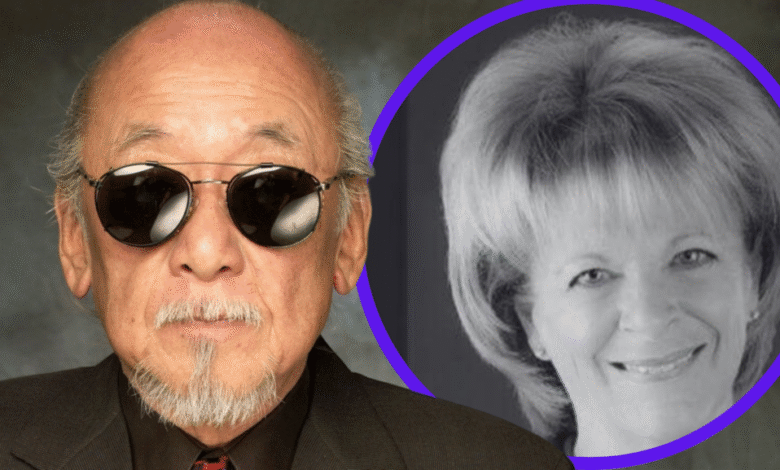
Kathleen Yamachi was born around 1925 in California, USA, into a Japanese‑American family long before widespread public attention ever found her. She grew up during the turbulent years of the Great Depression and World War II, a period when Japanese‑Americans faced economic hardship and cultural challenges that shaped her resilient spirit. Her childhood is not widely documented because she chose privacy over publicity, but what we can piece together suggests a young woman grounded in family values and hard work. Though there aren’t public records of her siblings or parents, many accounts describe her early life as marked by quiet determination and resourcefulness. She lived through times that demanded strength, humility, and adaptability—traits that would become hallmarks of her later adulthood. These early experiences gave her a foundation of perseverance and dignity that showed in every chapter of her life. Through it all, Kathleen maintained a sense of inner calm and a deep devotion to those she loved, long before her name entered biographical narratives.
Meeting Pat Morita in Sacramento
Kathleen’s life took a significant turn when she met Noriyuki “Pat” Morita in Sacramento, California, in the early 1950s, where both were establishing their paths as young adults. Pat, recovering from childhood illness and carrying the weight of internment experiences from World War II, was quietly pursuing comedy and performance work while helping at his family’s restaurant. Kathleen, slightly older and already grounded in everyday responsibilities, saw in Pat something sincere and driven. Their meeting was not a sensational Hollywood moment, but a meeting of two people navigating post‑war American life with determination and hope. Though they came from similar cultural backgrounds, they carried different life experiences that complemented each other—his creative ambition and her steady pragmatism. Within a few years of meeting, their friendship deepened into love rooted in mutual respect and shared cultural pride. Their union was not built on celebrity or glamour, but on earnest companionship and support. It was the beginning of a life journey that neither public attention nor later fame would overshadow.
Marriage and Shared Struggles
On June 13, 1953, Kathleen and Pat married in a modest ceremony surrounded by family and friends, beginning a chapter defined by resilience and partnership. Their early years as a married couple were far from easy—they lived above the Morita family’s restaurant in Sacramento, where bills were paid with hard work rather than comfort. Pat pursued small performance gigs and stand‑up comedy clubs, while Kathleen balanced part‑time clerical jobs to help make ends meet. Life demanded sacrifice, patience, and unshakeable teamwork, yet Kathleen never wavered in her belief that supporting Pat’s dreams was worth the struggle. At a time when opportunities for Asian‑American performers were limited, and racial prejudice persisted in everyday life, Kathleen remained a source of calm and encouragement. Together they faced uncertainty with quiet dignity, always keeping family at the center of their choices. Each challenge deepened their connection, proving that love for them was not just an emotion but a shared commitment through hardship.
Support in Pat’s Early Career
While Pat Morita fought for every small break in entertainment, Kathleen became his steady anchor, providing emotional stability that he carried into auditions and performances. She worked in clerical positions—taking on extra responsibilities to support the household while Pat navigated the unpredictable world of show business. Asian‑American roles were scarce, and many casting directors offered typecast parts or dismissive responses, yet Kathleen believed in Pat long before Hollywood did. Her support was practical and unglamorous: encouraging him after bad days, managing finances when money was tight, and reminding him of his worth when he questioned his own talent. Pat later credited early encouragement from people close to him for keeping him going, and it’s clear that Kathleen’s influence was part of that foundation. She didn’t push him into the spotlight, but her belief in his ability gave him strength to persevere. In these years, her role was not behind a camera or on a stage, but in the quiet confidence she gave to a man whose future would one day inspire millions.
Becoming a Mother to Erin
In 1954, Kathleen and Pat welcomed their daughter Erin Morita, a moment that brought pure joy and new responsibility into their lives. Becoming a mother deepened Kathleen’s sense of purpose, and she threw herself into motherhood with warmth, patience, and a sense of grounded devotion. Raising Erin while managing work and household tasks required endurance and grace, especially when Pat’s career demanded long nights and frequent absences. Kathleen created a stable home where her daughter felt secure and loved, even when life outside was unpredictable. Erin later described her mother as someone whose calm presence and gentle strength shaped her early world in meaningful ways. This maternal devotion became a defining chapter in Kathleen’s life—one in which her identity as a caregiver and emotional backbone of the family fully emerged. Despite public interest in Pat’s rising fame, Kathleen kept the home centered on love and normalcy, shielding her daughter from the pressures of fame. Her role as a mother was not loud or publicized, but it was deeply impactful and lifelong.
The End of Their Marriage
After 14 years together, Kathleen and Pat ended their marriage in 1967, a decision marked by mutual respect rather than scandal or bitterness. Their separation reflected changing personal needs rather than conflict or animosity, and both chose to move forward with independent lives. Pat’s career in entertainment was picking up momentum, and he was beginning to find roles that would eventually lead to iconic success. Kathleen, on the other hand, continued to value a life rooted in home, family, and quiet work. Though their romantic partnership concluded, their shared history remained a respectful part of each other’s lives. Neither spoke publicly of the divorce in sensational terms, and there is no record of resentment—only acknowledgment that their paths had diverged. Kathleen’s choice to continue raising Erin with dignity and love demonstrated her resilience, proving that endings can be transitions rather than tragedies. The gratitude between them for the years they shared is a testament to the depth of their human connection.
Life After Divorce: Building Independence
After the divorce, Kathleen made a deliberate choice to focus on her own life, separate from the public recognition Pat was starting to receive. She continued working in clerical roles and eventually ran a small bookkeeping business, building financial stability through her own efforts. Instead of leveraging Pat’s rising fame, Kathleen chose a humble and self‑reliant path, valuing privacy and family over publicity. She moved to Northern California, where she could be close to her daughter and grandchildren, and created a peaceful home environment grounded in comfort and meaningful relationships. Daily life for Kathleen involved simplicity—gardening, reading, hosting family meals, and engaging with her local community. Friends described her as warm, thoughtful, and unpretentious—someone who brought calmness wherever she went. Even as the world began to recognize Pat’s accomplishments on screen, Kathleen stayed rooted in real‑world values. Her life after divorce was not defined by past relationships, but by personal dignity and heartfelt commitment to the people she loved.
Later Years and Daily Life
In her later years, Kathleen lived a life shaped by quiet contentment and meaningful relationships rather than public attention or acclaim. She rarely spoke in interviews, and there are no public memoirs or media appearances in her name—an intentional choice reflecting her lifelong preference for privacy. Instead, her days were filled with familiar rhythms: visiting with family, preparing meals with care, tending to her garden, and savoring simple pleasures. Neighbors and friends described her as an unassuming yet deeply compassionate person whose presence brought reassurance and kindness to those around her. Kathleen’s approach to life was grounded not in seeking admiration but in fostering connection—whether through a warm conversation, a shared laugh, or simply offering a listening ear. Her ability to find meaning in everyday moments demonstrated that fulfillment doesn’t always come from recognition, but from sincere love and generosity of spirit. This calm elegance in her later years stood in contrast to the fast pace of Hollywood yet was equally rich in human value.
Legacy of Quiet Strength
Kathleen Yamachi’s legacy is not captured in film credits or awards, but in the lives she touched and the strength she showed throughout every phase of her life. Though she was connected to one of Hollywood’s beloved figures, her impact was never reliant on that connection—her character stood on its own flat ground of humility, loyalty, and compassion. Her daughter Erin has spoken often about her mother’s grounding influence, emphasizing that Kathleen’s emotional steadiness shaped her understanding of love, resilience, and family bonds. Even Pat Morita acknowledged the importance of the early encouragement he received from those close to him, including Kathleen, when his future was uncertain and success had not yet found him. Through every struggle and every quiet moment of triumph, Kathleen’s resolve and quiet confidence served as an example of what true strength looks like away from the spotlight. Her life teaches us that influence can be profound even without applause, and that love need not be dramatic to be deep.
Financial Life and Personal Integrity
Kathleen’s financial life reflected the same values that guided her personal choices: practicality, self‑reliance, and steady planning. As of 2025, her estimated net worth is around $250,000, a modest figure compared to Hollywood standards but one earned through consistent work, careful saving, and personal responsibility. She never used her connection to fame for financial gain, choosing instead to build stability through her bookkeeping business and long years of clerical work. This approach to life underscores her integrity—she preferred inner worth over public wealth, and personal fulfillment over spectacle. Her financial choices mirrored her personality: grounded, deliberate, and honest. In an era when many seek shortcuts or external validation, Kathleen’s life stands as a reminder that stability and character are cultivated over time, not instantaneously achieved. Her story shows that a meaningful life can be rich without being ostentatious, and that personal dignity often outlasts material acclaim.
Also Read: Shelly Tresvant’s Life Journey: Marriage, Motherhood, and Privacy
Conclusion: A Life of Love and Dignity
Kathleen Yamachi lived a life defined not by fame, but by the depth of her relationships and the strength of her values. She loved fiercely, supported with humility, and chose family over spectacle. From her early years in California to her later decades in Northern California, her journey was shaped by resilience and heartfelt commitment. Her story reminds us that significance isn’t measured by public attention, but by the quiet impact we leave on the people around us. Kathleen’s legacy is woven through the hearts of her daughter, grandchildren, friends, and those who witnessed her gentle strength. She stands as a powerful example of how a life lived with dignity, compassion, and unconditional care can be one of the richest stories ever told.
FAQs
Who is Kathleen Yamachi?
Kathleen Yamachi is best known as the first wife of actor Pat Morita, famous for his role as Mr. Miyagi in The Karate Kid. She lived a private life centered on family, work, and supporting her daughter, away from the public spotlight.
Was Kathleen Yamachi married to Pat Morita?
Yes, she married Pat Morita on June 13, 1953. They were together for 14 years, supporting each other through the challenges of early adulthood and Pat’s initial career struggles before their divorce in 1967.
Does Kathleen Yamachi have children?
Yes, Kathleen and Pat Morita had one daughter, Erin Morita, born in 1954. Kathleen devoted much of her life to raising Erin and creating a stable, nurturing home environment.
What was Kathleen Yamachi’s lifestyle like?
Kathleen lived a modest and private life. She worked in clerical jobs and bookkeeping, focused on her family, and avoided the media or public attention, valuing peace, dignity, and meaningful relationships.
What is Kathleen Yamachi’s legacy?
Her legacy is one of quiet strength, resilience, and dedication to family. Though she remained private, her support of Pat Morita and devotion to her daughter left lasting impressions, highlighting the power of love and stability over fame.