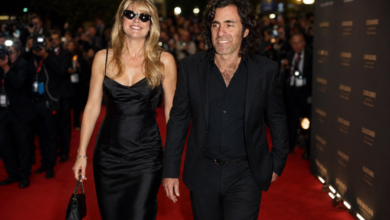
A Glimpse Into Chris Rodstrom’s Life Away from the NBA Spotlight

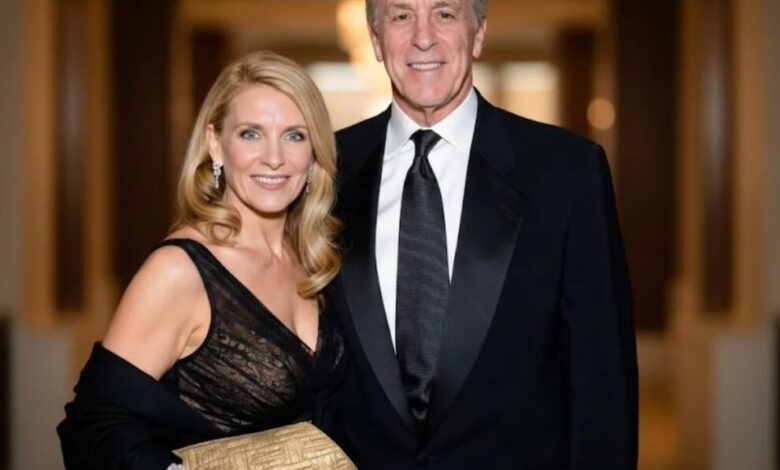
Chris Rodstrom was born in 1951 in the United States and grew up in a family shaped by discipline and service. Her father reportedly served as a Navy captain, while her mother worked in the medical field, creating an environment grounded in responsibility and compassion. Those early influences helped form her calm, steady personality and strong moral values. Unlike many figures connected to sports fame, Chris’s upbringing was rooted in structure rather than celebrity culture. Her childhood emphasized education, resilience, and emotional awareness. These foundations would later guide her professional and personal life. Though she has kept details about siblings and extended family private, it is clear that her early years shaped her thoughtful and composed nature.
Education and Academic Journey
Chris Rodstrom pursued higher education with seriousness and purpose. She earned a bachelor’s degree in psychology from the University of San Diego, reflecting her early interest in understanding human behavior. Later, she completed a master’s degree in educational psychology at California State University. Her academic path was not simply about obtaining credentials but about building meaningful expertise. Psychology requires patience, empathy, and analytical thinking — qualities that became defining traits in her life. During her university years, she developed a deep appreciation for emotional well-being and communication. This professional training would later influence not only her career but also her approach to family life. Education became the bridge between her intellectual curiosity and her practical impact on others.
Career as a Licensed Psychologist
Before she became widely known as the wife of a basketball icon, Chris Rodstrom built her own professional identity as a licensed psychologist. She worked in counseling, offering guidance to individuals and couples navigating personal and relational challenges. Her work demanded confidentiality, emotional strength, and careful listening. Colleagues have described her approach as patient and grounded, focusing on long-term solutions rather than quick fixes. In a field where emotional insight is everything, Chris earned respect for her balanced perspective. She practiced during the early years of her marriage, balancing professional responsibilities with family commitments. Her experience in psychology later became an unseen asset within her household. Though she eventually stepped away from active practice, the mindset of a counselor remained central to who she is.
Meeting Pat Riley and Building a Marriage
Chris met Pat Riley in the late 1960s while he was still establishing his basketball career. Their connection formed long before championship titles and executive leadership defined his public image. They married on June 26, 1970, beginning a partnership that would last more than five decades. At the time, neither could fully predict the scale of the future spotlight surrounding professional basketball. Their relationship was built on shared values, communication, and mutual respect rather than fame. Chris supported Pat during his early playing years and later throughout his coaching journey. As his career expanded, their bond remained anchored in stability and trust. Their long marriage stands as one of the enduring relationships in professional sports history.
Choosing Family Over Career Spotlight
In 1981, as Pat Riley’s coaching career intensified, Chris made the significant decision to step back from her professional work. This choice was not driven by obligation but by intention and practicality. The demands of NBA life — travel schedules, public attention, and high-pressure seasons — required stability at home. With her psychological background, she understood the emotional toll such a career could bring. By focusing on family life, she helped create a balanced environment away from the spotlight. Her decision reflects a quiet strength rather than sacrifice alone. It demonstrated a willingness to adapt when life circumstances changed. In many ways, her behind-the-scenes presence became essential to maintaining normalcy.
Motherhood and Private Family Life
Chris and Pat Riley expanded their family through adoption, welcoming their son James Patrick in 1985 and their daughter Elisabeth in 1989. Adoption was a meaningful choice that reflected their values of care and inclusivity. Despite living in the orbit of professional sports fame, Chris worked to ensure her children experienced a grounded upbringing. She prioritized privacy, shielding them from unnecessary media exposure. Family dinners, consistent routines, and open conversations defined their household more than public events did. Her background in psychology influenced her parenting style, emphasizing emotional understanding and communication. Even as championship seasons unfolded, home remained a space of warmth and stability. That commitment to privacy has continued into their children’s adult lives.
Life Beyond the NBA Spotlight
While Pat Riley became a prominent figure in basketball leadership, Chris Rodstrom deliberately maintained distance from media attention. She rarely gives interviews and avoids public commentary about her family life. This restraint has allowed her to preserve a sense of individuality separate from her husband’s career. In an era dominated by social media visibility, her decision to remain private feels intentional and dignified. Public appearances are limited to major events or milestones, often beside her husband rather than in the center of attention. By choosing discretion, she has protected her family’s emotional well-being. Her lifestyle reflects measured boundaries rather than withdrawal. It shows that personal fulfillment does not require public validation.
Emotional Strength and Influence
Though she stays away from headlines, Chris’s influence within her family has been profound. Her understanding of stress management and emotional balance proved invaluable during intense championship seasons. Coaching at the highest level demands composure under pressure, and a stable home environment can make a meaningful difference. Chris’s calm presence offered reassurance during both victories and setbacks. Her psychological insight likely provided perspective during career transitions and difficult decisions. While sports analysts focus on tactics and leadership styles, the emotional foundation at home often remains unseen. In this way, Chris contributed indirectly to an environment that supported long-term success. Her role illustrates how strength can be steady and quiet rather than dramatic.
Lifestyle, Personality, and Presence
Chris Rodstrom is often described as graceful, composed, and thoughtful in public appearances. Standing approximately 5 feet 6 inches tall, she carries herself with understated confidence. She is known for simple elegance rather than extravagance. Living in Florida, she enjoys a comfortable but private lifestyle centered on family and meaningful connections. She avoids unnecessary publicity and values time spent away from professional arenas. Friends and observers note her attentive listening skills and warm demeanor. Even after decades of public association with basketball success, she maintains a grounded presence. Her personality reflects consistency, empathy, and discretion.
Life Today and Enduring Legacy
Today, Chris Rodstrom continues to live a peaceful life in Florida alongside her husband. With her children grown, she focuses on family bonds and long-standing relationships. Her legacy is not defined by public speeches or television appearances but by personal commitment and stability. Over more than fifty years of marriage, she has remained a steady partner through dramatic career highs and lows. Her story reminds readers that influence often happens quietly within homes rather than on stages. By prioritizing privacy, emotional intelligence, and family unity, she shaped a life rooted in purpose. Chris Rodstrom’s journey shows that dignity and strength do not require constant visibility. In a world fascinated by celebrity, her path stands as a powerful example of grace beyond the spotlight.
Also Read: Neil Jason Wharton: Balancing Family Life and a Passion for Music
Frequently Asked Questions
Chris Rodstrom was born in 1951, making her in her mid-seventies today, though she keeps exact personal details private. She worked as a licensed psychologist and marriage counselor before stepping away to focus on family life. She married Pat Riley in 1970, and their marriage has lasted for over five decades. The couple adopted two children, James Patrick and Elisabeth, and raised them away from public scrutiny. Chris does not maintain public social media accounts and continues to value privacy in her daily life.
FAQs
Who is Chris Rodstrom?
Chris Rodstrom is an American former psychologist best known as the longtime wife of NBA executive and former coach Pat Riley. Beyond her public association with basketball, she built her own professional career in counseling before focusing on family life.
How old is Chris Rodstrom?
She was born in 1951, which places her in her mid-seventies today. While she keeps most personal details private, her birth year is widely reported in reputable biographical sources.
What was Chris Rodstrom’s profession?
Chris worked as a licensed psychologist and marriage counselor. Her background in psychology played an important role in shaping her calm, thoughtful approach to both her career and her family life.
How many children does Chris Rodstrom have?
She and Pat Riley adopted two children — a son, James Patrick, and a daughter, Elisabeth. The couple intentionally raised their children away from intense media attention.
Is Chris Rodstrom active on social media?
No, she maintains a very private lifestyle and does not have a public social media presence. Her preference for privacy has remained consistent throughout her decades in the public eye.